What to Know About Healing After Periodontal Treatment in Ventura
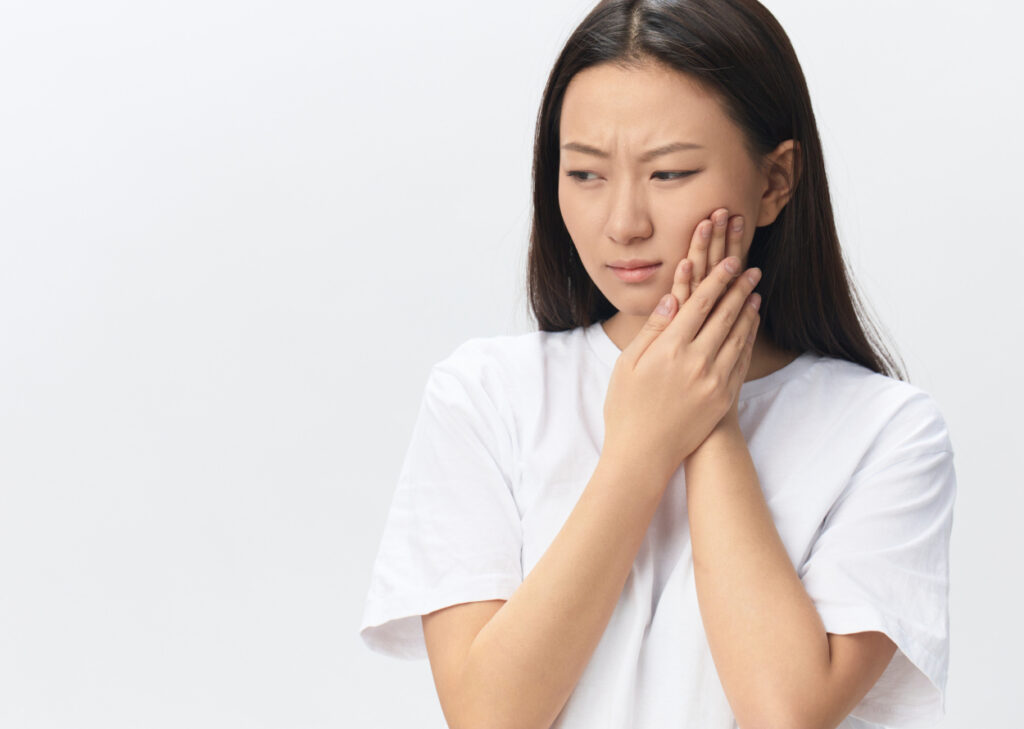
Healing after gum treatment is rarely dramatic, but it is deeply personal. Two people can have the same procedure on the same day and describe two very different recoveries. One notices mild tenderness for a couple of days and goes right back to work. Another feels soreness for a week, struggles with brushing around the treated area, and worries that every twinge means something is wrong. Both experiences can fall within a normal range.
That is one reason recovery deserves more attention than it usually gets. Patients tend to focus on the procedure itself, whether it is scaling and root planing, localized antibiotic therapy, gum surgery, or a follow-up maintenance visit after more advanced care. Yet the healing phase is where progress is either protected or undermined. What you do in the first hours, the first three days, and the first two weeks can shape comfort, tissue response, and long-term stability.
In Ventura, where daily routines often involve warm weather, outdoor activity, social meals, and busy work schedules, practical recovery advice matters. A person who leaves a periodontal appointment and heads back into a full day of errands or meetings may need a very different game plan than someone who can rest quietly at home. The basics are universal, but recovery always plays out in real life.
What healing usually feels like
Most people expect pain. What they do not always expect is the strange mix of sensations that can follow periodontal care. The gums may feel tender, puffy, itchy, slightly raw, or unusually sensitive to cold air and cool water. Teeth can feel different too. After tartar and bacterial deposits are removed from beneath the gumline, the teeth may seem more exposed. That can create temporary sensitivity, especially along the roots.
With non-surgical care such as scaling and root planing, the first twenty-four to seventy-two hours often bring the most noticeable discomfort. The gums have been disturbed, inflamed tissue has been cleaned, and areas that were previously coated in plaque and calculus are suddenly exposed to normal brushing and temperature changes. Some light bleeding when brushing is common early on. Mild swelling can happen as well, though it is usually limited.
After more involved treatment, such as gum flap surgery, grafting, or pocket reduction procedures, the recovery timeline is longer. Swelling may peak around the second or third day before easing. Chewing can feel awkward. Stitches, dressing material, or protected surgical sites can make oral hygiene feel intimidating, which is exactly when patients need clear guidance.
A point worth stressing is that discomfort alone does not tell the whole story. Some gums heal quietly. Others remain a bit sore while still improving well. What matters more is the overall trend. https://lorenzodfjp404.currentvale.com/posts/periodontal-treatment-ventura-for-healthier-gums-and-teeth Are symptoms easing over time? Is swelling decreasing? Is the tissue looking calmer rather than more inflamed? Recovery should move in the right direction, even if it is not perfectly linear.
Why gums can look worse before they look better
People are often startled when treated gums do not look ideal right away. They expect an immediate cosmetic improvement, but periodontal healing is biological, not cosmetic. Inflamed tissue may initially appear redder in spots, especially after deep cleaning. Surgical sites may look patchy or uneven for a time. If the gums were significantly swollen before treatment, they may shrink back as inflammation resolves. That is healthy, but it can make the spaces between teeth look larger than before.
This change can be emotionally difficult, especially in the front of the mouth. Patients sometimes think something has gone wrong, when in fact they are seeing the true tooth contours after swollen gums have settled. In some cases, the gums were so enlarged by inflammation that they hid the natural shape of the teeth. Once that swelling subsides, black triangles or root surfaces may become more visible. No one likes surprises in the mirror, so it helps to know ahead of time that healthier does not always mean fuller.
The same applies to tooth sensitivity. When deposits are removed and tissue inflammation decreases, root surfaces may be more exposed than they were before treatment. That does not mean the treatment caused damage. It often means the disease had already led to recession or bone loss, and the inflammation had masked it.
The first day matters more than most patients realize
The first several hours after treatment set the tone for recovery. If local anesthetic is still active, it is easy to bite the cheek, eat too soon, or brush too aggressively because nothing feels tender yet. Once the numbness wears off, those decisions can catch up with you.
After routine non-surgical periodontal therapy, most people do best with a quiet first evening. Soft food, gentle hydration, and limited exertion go a long way. If the office gave you an antimicrobial rinse or other post-op instructions, those directions take priority over generic advice. Periodontal care is not one-size-fits-all.
Heat, vigorous exercise, alcohol, and smoking tend to make early healing worse. The reason is simple. Blood vessels dilate, clotting can be disrupted, and tissues become more irritated. Patients do not always connect a glass of wine that evening or a hard workout the next morning with increased soreness and bleeding, but the link is real.
If you had surgical treatment, keep your schedule lighter than you think you need to. Many people plan around the appointment and underestimate the recovery window after the appointment. That is where avoidable setbacks happen.
Eating without irritating the area
Food choices matter, but not in a fussy or complicated way. The goal is to avoid trauma, avoid trapping debris in healing sites, and still eat enough to support recovery. A patient who is underfed, dehydrated, and relying only on coffee will feel every bit of inflammation more sharply.
The best foods in the early period are soft, cool to lukewarm, and easy to chew away from the treated side if needed. Yogurt, eggs, oatmeal that is not too hot, smoothies eaten with a spoon, mashed vegetables, fish, pasta, cottage cheese, and soft rice are common choices. Crunchy chips, seeded bread, popcorn, crusty rolls, and spicy foods are frequent troublemakers. Tiny particles can lodge near healing gums and spices can make tender tissues sting.
Temperature matters more than patients expect. Very hot soup or coffee can be surprisingly uncomfortable after treatment. Cold foods can go either way. For some people they soothe, for others they trigger sharp root sensitivity. If cold drinks hurt, room temperature water is usually easier.
One practical point that comes up often in offices offering Periodontal Treatment Ventura patients rely on is timing meals around numbness. If the lips, cheeks, or tongue are still anesthetized, wait. Eating while numb leads to accidental biting and tissue injury that can feel worse than the procedure itself.
Cleaning the mouth without disrupting healing
This is where many recoveries go off track. People either clean too aggressively because they are determined to be diligent, or they avoid the area entirely because they are afraid to touch it. Neither extreme helps.
After deep cleaning without surgery, gentle brushing usually resumes quickly, often the same day or the next, depending on what your dental professional advised. The keyword is gentle. Use a soft toothbrush, small strokes, and no scrubbing. Flossing may need to be modified briefly if the gums are especially tender, but plaque control cannot stop for long. Bacteria return fast, and periodontal tissues do not heal well under a fresh layer of plaque.
After surgery, home care instructions may be more specific. You may be told to avoid direct brushing at the site for a period of time, to use a prescribed rinse, or to clean only adjacent teeth at first. Follow the custom instructions rather than generalized internet advice. A grafted area is not managed the same way as a site that only had scaling and root planing.
Patients are often surprised that some bleeding can happen when they start brushing again. If the bleeding is light and decreases with careful cleaning over a few days, that can be normal. Inflamed gums bleed easily, and the process of restoring oral hygiene sometimes stirs up minor bleeding before things calm down. Persistent heavy bleeding is a different matter and should be reported.
Pain control should be measured, not heroic
There is no prize for pushing through pain untreated. There is also no benefit in assuming severe pain is normal. Recovery tends to go best when discomfort is managed early and sensibly.
Over-the-counter pain relievers are often enough after non-surgical treatment, provided the patient can safely take them and follows label directions or clinician guidance. For surgical procedures, a dentist or periodontist may recommend a more structured medication plan. It is far easier to keep pain controlled from the beginning than to let it build and try to catch up later.
Ice can help with swelling in the early phase, especially after surgery, if recommended by your provider. Warm compresses are sometimes useful later, but not usually in the immediate post-op period unless specifically advised. This is one of those areas where timing matters. Too much heat too soon can worsen swelling.
If pain is increasing rather than easing after several days, that deserves attention. Most normal post-treatment discomfort follows a downward path. The exact speed varies, but the direction should be improvement.
What is normal, and what deserves a call
A little uncertainty is expected after periodontal care. Patients do not spend their days inspecting healing gums, so it can be hard to tell what is routine and what is not. The following situations usually justify a call to the treating office:
- bleeding that is heavy, persistent, or starts suddenly after having settled down
- swelling that continues to worsen after the second or third day
- pain that is not controlled by the plan you were given, or pain that becomes sharper instead of milder
- fever, foul taste, pus, or a strong odor coming from one area
- a dressing, stitch, or graft site that seems displaced, loose, or traumatized
Most post-op calls are not emergencies, and offices would much rather answer a reasonable question than have a patient wait too long. Early reassurance can prevent panic. Early intervention can prevent complications.
Smoking and vaping can slow everything down
This point is so important that it deserves plain language. Tobacco slows healing. Nicotine constricts blood vessels. Smoke and vapor can irritate tissues. Patients who smoke or vape often have a rougher recovery and a weaker long-term periodontal result than those who stop, even temporarily.
The trouble is not only delayed healing. Smoking also masks gum bleeding in some patients, which can create the false impression that things are healthier than they are. Meanwhile, the underlying tissue support may still be compromised.
For patients trying to protect the investment they just made in treatment, even a short tobacco-free window around the procedure can help. Ideally, stopping for longer is better. Realistically, many people make changes in stages. Honest conversation with your dental team is more useful than pretending tobacco use is not happening.
Ventura lifestyle factors that can affect recovery
Location shapes routine, and routine shapes healing. In Ventura, active weekends, beach time, outdoor sports, and social eating are part of life for many residents. None of that is a problem in itself, but recovery goes more smoothly when people make temporary adjustments.
Sun and heat can be draining if you are already not eating or hydrating well after treatment. Long walks, intense workouts, and anything that raises blood pressure significantly can aggravate swelling or bleeding in the first phase. Salty snacks and alcohol, common at casual gatherings, can be irritating when tissues are raw. Wind and dry air may make mouth breathing worse, which leaves healing tissues feeling parched and uncomfortable.
These are not reasons to put life on hold. They are reasons to pace yourself for a few days. Patients who respect that short recovery window usually bounce back faster than those who try to act as if nothing happened.
Healing can reveal bigger periodontal issues
One of the harder conversations in gum care happens after the first round of treatment, when inflammation decreases and the true condition becomes easier to assess. Before treatment, swollen gums can hide pocket depth, tooth mobility, recession, and contours that matter. After healing begins, the periodontist or general dentist can evaluate with better clarity.
Sometimes the news is encouraging. Pockets that looked borderline improve beautifully after deep cleaning and good home care. Surgery is avoided. Maintenance becomes the main focus.
Other times, healing shows that deeper problems are present. A tooth may still have a persistent deep pocket. A furcation area between roots may remain difficult to clean. Mobility may become more apparent. Recession may expose root surfaces to the point that grafting or desensitizing treatment is worth discussing. This does not mean the initial therapy failed. It means the inflammation was reduced enough to reveal the true baseline.
Patients who understand this are less likely to misread follow-up recommendations as moving goalposts. Periodontal treatment is often staged. Diagnosis becomes sharper as the tissue response becomes clearer.
The follow-up visit is part of the treatment, not an extra
Skipping the recheck is one of the most common mistakes after gum therapy. People feel better, life gets busy, and the appointment seems optional. It is not optional in any meaningful clinical sense.
At the follow-up, the office is checking how the tissues responded, whether plaque control is effective, whether pockets are improving, and whether any sites need further attention. Home care can be adjusted. Sensitive spots can be treated. Questions that did not come up on day one can be answered with real healing in view, not speculation.
In practices that provide Periodontal Treatment Ventura patients often need ongoing maintenance rather than a one-time fix. That maintenance schedule might be every three months for some, every four months for others, depending on disease history, risk factors, and how stable the gums remain. People sometimes resist the frequency at first. Then they experience the difference between regular periodontal maintenance and waiting too long, and the value becomes obvious.
What long-term success actually looks like
Patients often imagine success as perfectly pink gums that never bleed, no sensitivity, and no further treatment ever again. That can happen in mild cases, but for many adults with a history of periodontal disease, success is more realistic and more nuanced.
Success may mean the infection is controlled, pocket depths are reduced, bleeding is greatly diminished, and bone loss progression appears to have stopped. It may mean a tooth once at risk is now comfortable and functional. It may mean learning a home care routine that finally works. It may also mean accepting that maintenance will always be part of the picture.
That is not failure. Periodontal disease is often chronic. Chronic conditions are managed over time. The right comparison is not a perfect mouth versus an imperfect one. The right comparison is treated disease versus progressing disease.
A patient who keeps maintenance visits, cleans well, avoids tobacco, and addresses small problems early can often keep teeth for many years that might otherwise have been lost. That is a meaningful outcome by any clinical standard.
Questions patients often wish they had asked sooner
There are a handful of practical questions that make recovery easier when addressed up front:
- When can I brush and floss normally again, and are there areas I should avoid for now?
- Which foods are safest for the first few days, and how long should I avoid crunchy or spicy foods?
- What level of bleeding or swelling is expected for my specific procedure?
- If I take medication for blood pressure, diabetes, or pain, does that change anything about healing?
- When should I expect sensitivity to improve, and what can help if it lingers?
Good periodontal offices hear these questions every day, and patients should not hesitate to ask them. Recovery is smoother when expectations are specific.
If healing feels slow, do not assume the worst
Not every mouth heals on the same clock. Diabetes, smoking history, stress, autoimmune conditions, grinding, dry mouth, medication side effects, and the severity of the original infection can all influence recovery. So can simple anatomy. Deep molar pockets and root grooves are harder to manage than smooth front teeth. Lower front teeth often collect heavy calculus. Upper molars can be awkward to clean after treatment because access is limited.
I have seen patients become discouraged at day five when they are still tender, only to look significantly better at two weeks. I have also seen patients who felt almost normal immediately but still needed more treatment once their re-evaluation showed persistent deep areas. Symptoms matter, but they are only part of the picture.
Patience helps, but so does precision. Follow the instructions you were given. Keep the area as clean as allowed. Show up for rechecks. Report changes that seem off. That steady, unglamorous approach is usually what protects the result.
The bigger picture behind recovery
Healing after gum treatment is not just about getting through a few sore days. It is the bridge between removing disease and rebuilding stability. The gums need a chance to tighten, the bacterial load needs to stay low, and the patient needs a realistic plan for daily care. That is where treatment becomes lasting health instead of a temporary reset.
For anyone undergoing Periodontal Treatment Ventura providers offer, the smartest mindset is neither alarm nor complacency. Expect some tenderness. Expect a short adjustment period. Expect that your gums may look different as inflammation resolves. At the same time, respect anything that seems to be moving in the wrong direction and call the office if you are unsure.
Most recoveries are straightforward when patients know what to expect. Clear instructions, sensible self-care, and timely follow-up make a remarkable difference. Gum tissue is resilient when given the right conditions. Protect those conditions, and healing tends to do what it is designed to do.
Avra Dental
Address: 1708 S Victoria Ave B, Ventura, CA 93003
Phone number: (805) 941-1001
FAQ About Periodontal Treatment Ventura
Can a dentist get rid of periodontal disease?
A dentist or gum specialist (periodontist) cannot fully cure or reverse advanced periodontal disease (periodontitis), but they can successfully stop its progression and manage the infection.
Is periodontitis very serious?
Yes, periodontitis is a very serious, advanced form of gum disease that destroys the bone and tissues supporting your teeth.
How is stage 2 periodontal disease treated?
Stage 2 periodontal disease (early to moderate periodontitis) is primarily treated with non-surgical deep cleaning procedures like scaling and root planing to remove bacteria and tartar below the gumline.
Corrections
Spot something wrong? Send it to the desk and it gets fixed in the open.