Periodontal Treatment for Gum Pockets: Methods That Work
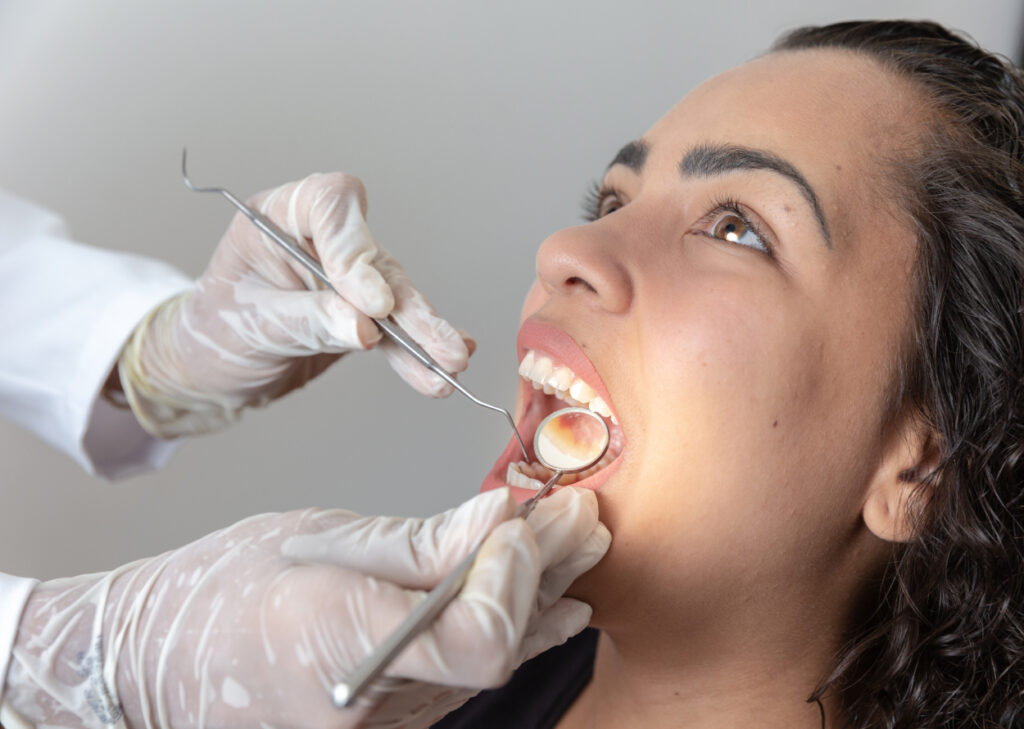

Gum pockets are one of those dental problems that often develop quietly. Many people first hear the term during a routine cleaning, usually after the hygienist calls out numbers like three, four, five, or six while checking around each tooth. Those numbers matter. They describe the depth of the space between the tooth and the gum, and when that space becomes too deep, it is no longer just a harmless crevice. It becomes a sheltered area where bacteria can thrive, inflammation can persist, and bone can slowly disappear.
This is where effective Periodontal Treatment becomes more than a cleaning. It becomes a strategy to stop damage, reduce pocket depth, and preserve teeth that might otherwise loosen over time.
In practice, gum pockets are treatable, but the right method depends on what caused them, how deep they are, and whether bone loss has already started. Some patients improve with careful non-surgical care. Others need laser therapy, localized antibiotics, or surgery to gain control. The best outcomes usually come from matching the treatment to the biology of the disease rather than chasing a quick fix.
What gum pockets really mean
Healthy gums fit snugly around teeth. A normal sulcus, which is the shallow space between the tooth and the surrounding gum, usually measures 1 to 3 millimeters. Once that depth increases beyond that range, especially when there is bleeding, pus, persistent inflammation, or radiographic bone loss, the concern shifts from simple gingivitis to periodontal disease.
A periodontal pocket forms when plaque bacteria trigger chronic inflammation. That inflammation damages the ligament fibers attaching the gum to the tooth and can also affect the supporting bone. As attachment is lost, the pocket deepens. This is why brushing alone often fails to solve the problem once a true pocket has formed. The deeper the space, the harder it is to clean at home, and the easier it becomes for destructive bacteria to remain undisturbed.
Not every 4 millimeter reading means the same thing. A shallow pseudo-pocket can happen when swollen gums puff up around a tooth without significant attachment loss. By contrast, a 4 millimeter pocket with bleeding, tartar under the gumline, and early bone loss is a very different clinical picture. Good periodontal care depends on recognizing that difference.
Why pockets do not improve on their own
Patients often ask whether gum pockets can shrink naturally if they start flossing better. Better home care absolutely helps, but established periodontal pockets rarely resolve without professional treatment. Once hardened deposits, called calculus, collect below the gumline, they adhere tightly to the root surface. They provide a rough, bacteria-friendly surface that normal brushing cannot remove.
There is also a structural problem. Inflamed tissue tends to remain edematous, and the root surface itself can become contaminated with bacterial toxins and biofilm. If attachment has been lost, the body cannot simply reattach the tissue in a stable way without eliminating the underlying irritants. That is why periodontal pockets can smolder for years, with little pain but steady cumulative damage.
I have seen many patients who were diligent brushers and still had deep isolated pockets around molars. In those cases, the issue was not laziness. It was anatomy, past inflammation, difficult root contours, or old restorations trapping plaque in areas they simply could not reach well enough.
The first step, measuring what is really there
Before choosing any periodontal treatment, the dentist or periodontist needs a clear map of the disease. That usually includes periodontal probing, full charting, x-rays, an assessment of bleeding points, plaque retention factors, tooth mobility, furcation involvement in molars, and a look at the patient’s overall risk profile.
Smoking history matters. Diabetes control matters. Dry mouth matters. Clenching and grinding matter. Even the fit of crowns and fillings can matter if they create plaque traps below the gumline. Pocket depth alone is only part of the story.
This diagnostic stage often explains why two patients with similar pocket numbers may receive different recommendations. One may have generalized moderate disease that responds well to scaling and maintenance. Another may have localized deep defects that are good candidates for regenerative surgery. Good judgment starts with that distinction.
Scaling and root planing, still the foundation
For most mild to moderate gum pockets, the first line of periodontal treatment is scaling and root planing. Patients often hear this called a deep cleaning, though that phrase can oversimplify what is actually being done.
Scaling removes plaque and calculus from above and below the gumline. Root planing smooths contaminated root surfaces so the gum tissue has a better chance to heal against a clean surface. Treatment is often done under local anesthesia, especially when pockets are deeper or deposits are substantial. The mouth may be divided into sections and treated over more than one visit.
When it is done thoroughly, scaling and root planing can produce meaningful improvements. Inflamed gums tighten, bleeding decreases, and shallow to moderate pockets may reduce by 1 to 2 millimeters, sometimes more. That can be enough to shift a site from active disease to a maintainable condition.
Results depend on several factors. Five millimeter pockets often respond better than eight millimeter pockets. Straightforward root anatomy responds better than furcations, deep grooves, and root concavities. Non-smokers generally heal better than smokers. Patients who clean carefully between teeth almost always do better than those who do not.
A common mistake is judging the treatment too early. Gums need time to settle after instrumentation. Reevaluation usually happens in about four to eight weeks, depending on the case. That follow-up tells the real story: which pockets resolved, which improved, and which still need more help.
When deep cleaning is enough, and when it is not
Not every pocket requires surgery. In fact, a large share of periodontal cases can be stabilized with non-surgical therapy plus maintenance. The key word is stabilized. The goal is not always to make every probing depth disappear. The goal is to create a mouth that can be kept healthy over time, with low inflammation and cleanable pocket depths.
That said, some sites simply do not respond enough to deep cleaning alone. Deep residual pockets, especially 6 millimeters or more with bleeding, tend to remain high risk. They are harder for the patient to maintain and more likely to continue losing attachment. Molars with furcation involvement are especially challenging. The anatomy under the gumline is complex, and instruments cannot always debride the area completely without surgical access.
This is where the reevaluation visit becomes decisive. It separates patients who need supportive maintenance from those who need the next level of therapy.
Local antibiotics and antimicrobial support
In selected cases, dentists use locally delivered antimicrobials after scaling and root planing. These may include antibiotic gels, microspheres, or antiseptic chips placed directly into deeper pockets. Their job is not to https://brooksuawh592.brightpathdigest.com/posts/how-periodontal-treatment-improves-more-than-just-your-gums replace mechanical cleaning, but to support it in pockets that remain inflamed or difficult to disinfect completely.
These products can help reduce bacterial load and sometimes improve pocket reduction in localized areas. They are most useful when there are a few persistent sites rather than widespread untreated disease. Used thoughtfully, they can buy time, reduce inflammation, and help avoid more invasive care in borderline cases.
Systemic antibiotics are used more cautiously. They are not a routine answer for standard chronic periodontitis. In aggressive or specific bacterial patterns, or in cases with acute infection, they may be appropriate, but they should be paired with proper mechanical debridement. Antibiotics alone do not resolve the calculus and biofilm problem.
Laser-assisted periodontal therapy
Laser treatment gets a lot of attention, and for some patients it can play a valuable role. Different lasers are used in periodontal care, and their effects vary. In general, lasers may help reduce bacterial contamination, remove diseased pocket lining, and promote a cleaner healing environment.
What matters is context. Laser therapy is not magic, and it is not a substitute for diagnosis, root debridement, or maintenance. In experienced hands, it can be a useful adjunct. It may reduce postoperative discomfort for some patients and improve access in certain areas. But the quality of conventional periodontal therapy still matters more than the marketing language around any device.
When patients ask whether laser treatment is “better” than scaling and root planing, the honest answer is that it depends on what problem is being treated. For early to moderate disease, careful deep cleaning remains the backbone. For persistent pockets or selected surgical protocols, lasers may enhance the approach. The best periodontal treatment plan is rarely built around a machine. It is built around tissue response.
Surgical periodontal treatment for persistent pockets
When non-surgical treatment leaves behind deep, bleeding pockets, surgery often provides the best path forward. The main advantage is visibility. Once the gum tissue is reflected, the clinician can directly see and remove tenacious deposits, reshape defects where appropriate, and treat the area with a level of precision that closed instrumentation often cannot match.
Several surgical approaches are commonly used, depending on the defect and the treatment goal.
Flap surgery
Flap surgery, sometimes called pocket reduction surgery, involves gently lifting the gum tissue to access the root surfaces and bone. After thorough cleaning, the tissue is repositioned to reduce pocket depth and improve maintainability.
This can be highly effective in sites with deep pockets that repeatedly bleed after non-surgical care. It is especially useful when the objective is better access, improved contour, and long-term control rather than regeneration of lost structures.
There is a trade-off. As inflammation resolves and tissues tighten, more root surface may become exposed. That can increase sensitivity and make the teeth look slightly longer. Many patients accept that trade if it means keeping the teeth healthy and stable.
Regenerative procedures
Some periodontal defects are well-suited to regeneration. This means trying to rebuild structures lost to disease, including bone, periodontal ligament, and supporting attachment. Regenerative treatment may involve bone graft materials, enamel matrix derivatives, barrier membranes, or combinations of these.
Not every pocket is a candidate. The shape of the bone defect matters enormously. Narrow, contained vertical defects usually offer more potential than broad, shallow areas of bone loss. Patient factors also matter. Smokers, for instance, often have less predictable regenerative outcomes.
When the case selection is right, regeneration can be one of the most rewarding forms of periodontal treatment. It does not just reduce the pocket. It may actually restore part of the support that was lost.
Resective procedures
In some areas, especially around molars, the most practical solution is reshaping tissue and sometimes bone to reduce the depth and complexity of the pocket. The goal is not to regenerate what is missing, but to create a healthier architecture that the patient can keep clean.
This is not glamorous treatment, but it can be extremely effective. Many stable long-term periodontal cases rely on smart resective therapy combined with disciplined maintenance.
What determines whether treatment will hold up
Periodontal therapy succeeds or fails in the months and years after active treatment. The procedure matters, but the maintenance phase matters just as much. I have seen beautifully treated cases relapse because the patient disappeared for two years. I have also seen patients with severe starting conditions keep their teeth for decades because they returned regularly and cleaned with consistency.
The factors that most strongly influence long-term success include:
- Regular periodontal maintenance visits, often every three to four months at first
- Excellent plaque control at home, especially between teeth
- Smoking cessation or meaningful reduction
- Control of systemic risks such as diabetes
- Timely retreatment of sites that show recurrent bleeding or deepening
This is one of the few areas in dentistry where discipline often beats drama. A patient does not need perfect genetics or an ideal dental history. They need a realistic plan and the willingness to stick with it.
Home care that actually helps pocket reduction
Patients often get generic advice, and generic advice is easy to ignore. What works better is specific technique matched to the anatomy of the mouth.
If the gums are tender after treatment, a soft brush and gentle angulation at the gumline are more useful than scrubbing. Interdental brushes are often superior to floss in larger spaces because they actually contact the root surfaces and disrupted plaque more effectively. Water flossers can be helpful for patients with bridges, implants, orthodontic retainers, or dexterity issues, though they usually work best as an addition rather than a replacement for mechanical interdental cleaning.
Antimicrobial rinses may help during active healing, but they are not a substitute for physical plaque disruption. Biofilm is stubborn. It has to be disturbed, day after day.
One practical turning point for many patients is learning that bleeding while cleaning is usually a sign to clean better, not a reason to stop. Obviously, pain, trauma, or heavy bleeding should be evaluated. But mild bleeding from inflamed gums commonly improves once those areas are cleaned consistently.
How treatment choices differ by severity
A three or four millimeter area with light bleeding in an otherwise healthy mouth may respond well to scaling, root planing, and improved home care. A generalized pattern of five and six millimeter pockets with horizontal bone loss usually needs a more structured periodontal plan and close maintenance. Isolated seven or eight millimeter defects around certain teeth may be better treated surgically, particularly if the goal is to preserve strategic teeth that support the bite.
Molars deserve special mention. They are often the first teeth to develop complex periodontal problems because their roots divide and create furcations. A furcation can feel stable from the outside while harboring plaque in an area that is frustratingly hard to instrument or clean. Treatment around molars often requires a more nuanced decision, balancing pocket depth, root anatomy, restorative value, and the patient’s commitment to maintenance.
There are also times when extraction is the more sensible choice. A tooth with severe mobility, advanced bone loss, recurrent abscesses, and poor strategic value may consume time and expense with little chance of durable success. Thoughtful periodontal care includes knowing when heroic treatment is reasonable and when it is not.
What recovery usually feels like
Recovery depends on the procedure. After scaling and root planing, most patients notice tenderness, some cold sensitivity, and minor soreness for a few days. Gums often feel tighter as swelling recedes. That can be a strange sensation at first, but it is usually a sign of healing.
After periodontal surgery, soreness and swelling are more noticeable, especially in the first several days. Soft foods, careful hygiene, and prescribed rinses are often part of the immediate postoperative phase. Sutures may remain for a week or two. Sensitivity can linger, particularly if more root surface is exposed.
One useful piece of reassurance for patients is that healthier gums often look different before they look “better” to the untrained eye. They may appear less puffy, less shiny, and less red. Those are positive changes. Reduced swelling can make spaces between teeth appear more open, which surprises some people. That is not the disease getting worse. It is inflamed tissue shrinking back to a healthier contour.
The role of maintenance after active treatment
Maintenance is where periodontal treatment becomes a long-term partnership. Patients who have had gum pockets treated usually do not return to a standard once or twice yearly cleaning schedule right away. Most need periodontal maintenance at intervals tailored to their risk, often every three to four months in the first phase.
These visits are different from routine cleanings. The clinician reviews pocket depths, bleeding points, tissue tone, plaque control, mobility, and radiographic stability when needed. Areas that are starting to slip can be retreated early, before they become major problems again.
This ongoing surveillance is not overkill. Periodontal disease has a pattern of reactivation, and the earlier it is caught, the easier it is to control.
What patients should ask before starting treatment
Good questions often lead to better decisions and better compliance. Before beginning care, patients should understand the condition being treated, the expected benefit of each option, and the maintenance required afterward.
A short, practical checklist helps:
- How deep are the pockets, and are they generalized or localized
- Is there bone loss, and if so, how much and where
- What result is realistic with non-surgical treatment alone
- Which teeth, if any, may need surgery or have a guarded prognosis
- How often will maintenance be needed after treatment
When patients understand the “why,” they are far more likely to follow through with the “how.”
Methods that work, when matched to the right case
The strongest periodontal treatment plans are rarely the most aggressive. They are the most appropriate. For one patient, that means meticulous scaling and root planing followed by disciplined maintenance. For another, it means flap surgery in a few persistent sites. For a third, it means regenerative treatment around carefully selected defects. The common thread is not the procedure itself. It is the fit between the biology of the disease and the treatment chosen.
Gum pockets are manageable, but they do not respond well to wishful thinking or half measures. They respond to accurate diagnosis, thorough debridement, timely escalation when needed, and consistent maintenance afterward. That is what works in real mouths, over real years, with all the variables that dental care brings.
When that process is followed well, many patients keep teeth that once looked uncertain. And that remains one of the most satisfying outcomes in dentistry.
Avra Dental
Address: 1708 S Victoria Ave B, Ventura, CA 93003
Phone number: (805) 941-1001
FAQ About Periodontal Treatment
Can a dentist get rid of periodontal disease?
A dentist or gum specialist (periodontist) cannot fully cure or reverse advanced periodontal disease (periodontitis), but they can successfully stop its progression and manage the infection.
Is periodontitis very serious?
Yes, periodontitis is a very serious, advanced form of gum disease that destroys the bone and tissues supporting your teeth.
How is stage 2 periodontal disease treated?
Stage 2 periodontal disease (early to moderate periodontitis) is primarily treated with non-surgical deep cleaning procedures like scaling and root planing to remove bacteria and tartar below the gumline.
Corrections
Spot something wrong? Send it to the desk and it gets fixed in the open.